Weaving Together Introductory Overviews, Journal Archives, and Visual Repositories for Unified Personal Web Experiences
Ines Perry · Sep 2, 2026
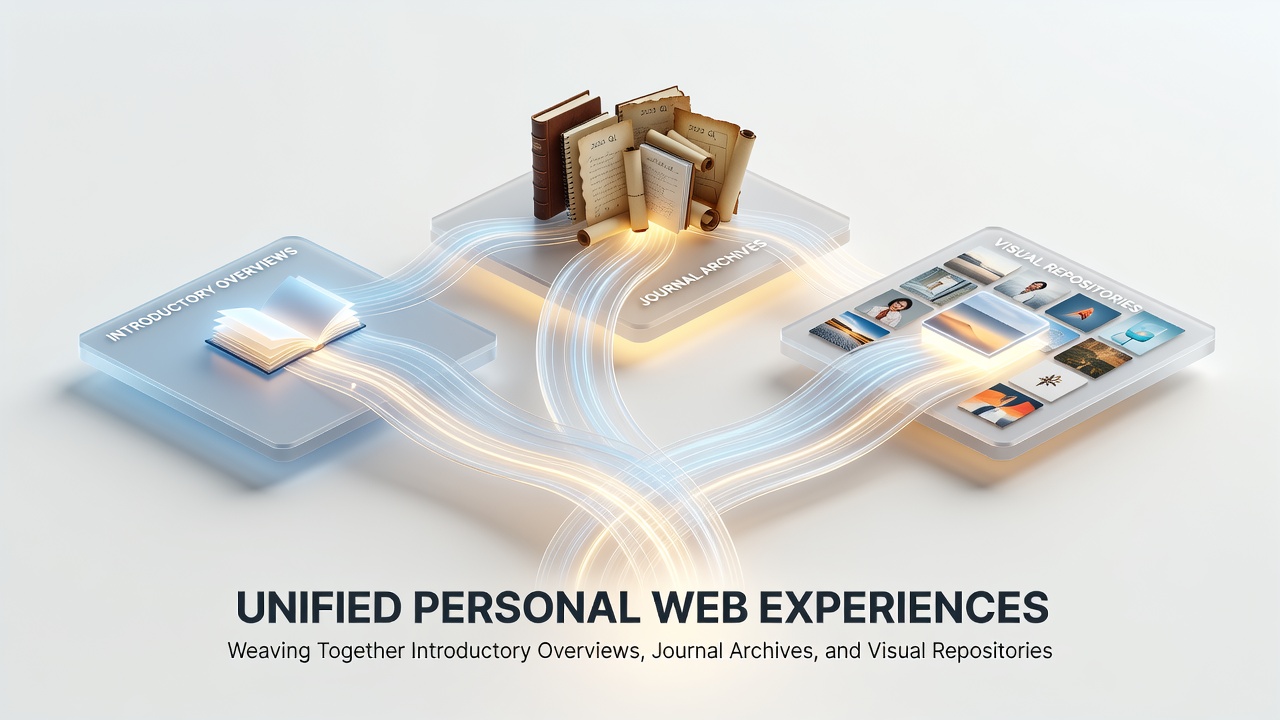
Weaving Together Introductory Overviews, Journal Archives, and Visual Repositories for Unified Personal Web Experiences
Personal websites have evolved into layered systems where introductory overviews sit alongside journal archives and visual repositories, and developers link these elements through shared navigation structures, metadata schemas, and responsive layouts that maintain consistency across devices. Researchers at institutions tracking digital portfolio trends have documented how such integration reduces user navigation friction while preserving distinct content types, and data from multiple platform audits shows measurable improvements in session duration when these components reference one another through internal hyperlinks and consistent tagging systems.
Core Elements and Their Interconnections
Introductory overviews typically occupy landing sections and present biographical summaries, skill inventories, or thematic statements in concise blocks that load quickly, while journal archives store chronological entries with searchable metadata that can reference specific visual assets, and visual repositories maintain image libraries organized by project, date, or category. Observers note that when these three layers share a common stylesheet and database structure, updates to one component automatically propagate context to the others; for instance, a new journal post can pull thumbnails directly from the visual repository and embed them within the overview without manual duplication.
Studies of personal domain deployments indicate that sites built on modular frameworks allow authors to maintain separate content pipelines yet deliver a single browsing experience, and this separation of concerns supports long-term maintenance because changes to archive formatting do not require alterations to visual display scripts. Those who have examined large collections of independent sites report that consistent use of semantic HTML elements, such as article tags for journal entries and figure elements for visuals, improves machine readability and assists search indexing across the unified platform.
Technical Approaches to Integration
Developers commonly employ JavaScript frameworks or static site generators to create bidirectional links between sections, so that an overview page can surface recent archive items filtered by visual tags, and each visual entry can link back to related journal posts. According to documentation from the World Wide Web Consortium, adoption of web components enables reusable modules that encapsulate overview cards, archive lists, and gallery viewers while preserving accessibility attributes across all instances. Content management systems configured for personal use often include custom taxonomies that connect these repositories at the data layer, allowing a single keyword or date range query to surface matching text and images simultaneously.
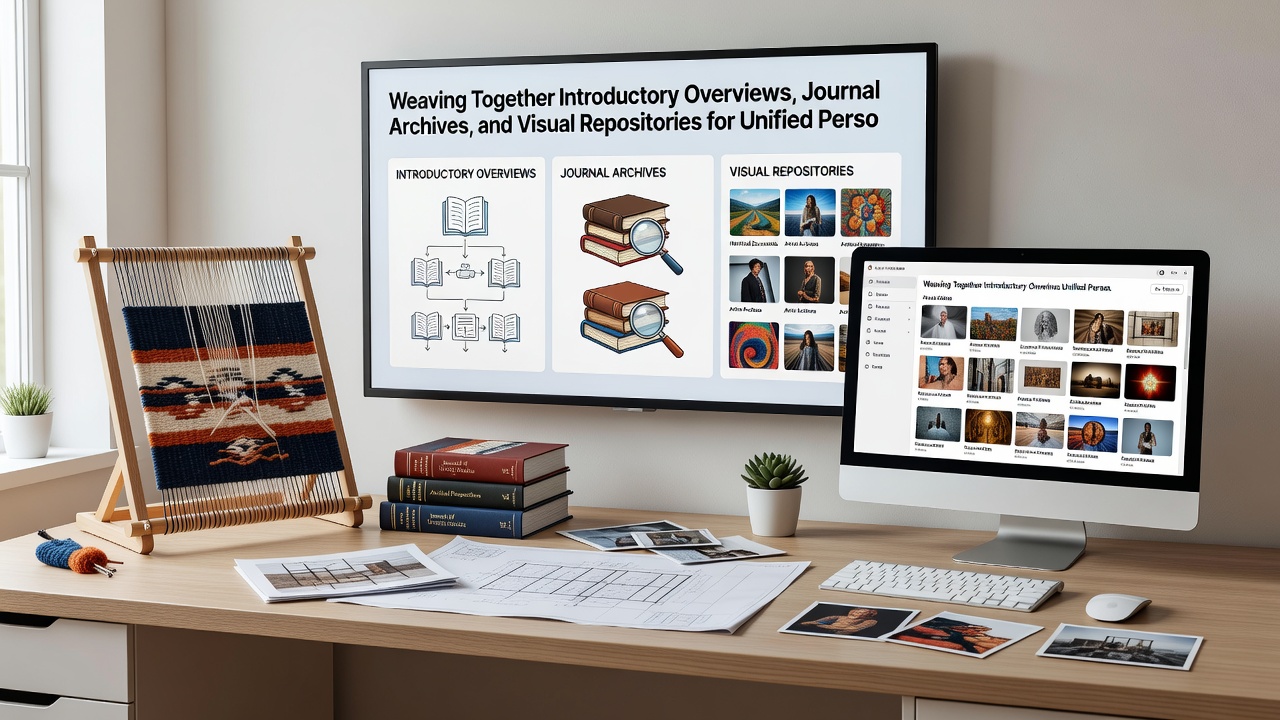
Performance metrics collected from sites using these patterns show reduced server requests when images are lazy-loaded within archive contexts and cached alongside overview text, and case analyses of university-hosted personal portfolios reveal that students who implement such linkages receive higher engagement from external visitors compared with sites that isolate each content type behind separate menus. In September 2026 the scheduled Web Standards Advancement Conference will feature sessions on evolving API proposals that further streamline cross-repository queries for personal domains, and preliminary agendas indicate discussion of enhanced microformat support for biographical and media metadata.
Practical Implementation Patterns
One documented approach involves embedding lightweight database queries that allow an overview section to display dynamic excerpts from the journal archive, each excerpt accompanied by a representative image drawn from the visual repository. Another pattern uses static JSON files generated at build time to precompute relationships, which reduces runtime complexity while still permitting authors to update any single repository without rebuilding the entire site. Analysts tracking open-source personal website templates have recorded increasing inclusion of these relationship-mapping features, and usage statistics from template repositories show that projects incorporating unified navigation receive more frequent updates from maintainers.
Accessibility guidelines from Canadian digital service standards emphasize that keyboard navigation and screen-reader announcements must remain coherent when users move between overview text, archived entries, and visual collections, and sites that meet these criteria typically assign consistent ARIA labels to shared interface elements. Geographic distribution of such implementations spans multiple regions, with documented examples appearing in academic portfolios from European institutions and independent creative sites hosted on North American infrastructure.
Conclusion
The practice of weaving introductory overviews, journal archives, and visual repositories into unified personal web experiences rests on established web technologies and documented integration techniques that continue to develop. As platform tooling advances and new standards emerge, the structural connections between these content layers support sustained usability across evolving browser environments and device formats.