Curating Life Stories Using Project Highlights and Visual Collections on Standalone Web Platforms
Ines Perry · Aug 19, 2026

Curating Life Stories Using Project Highlights and Visual Collections on Standalone Web Platforms
Standalone web platforms provide dedicated spaces where individuals organize personal narratives through structured project highlights and visual collections, and these systems operate independently of social media networks or centralized hosting services. Researchers have documented increased adoption of such platforms since the early 2020s, with data from digital preservation studies indicating that users maintain greater control over content arrangement when they build sites on custom domains rather than third-party services.
Defining Project Highlights in Digital Life Curation
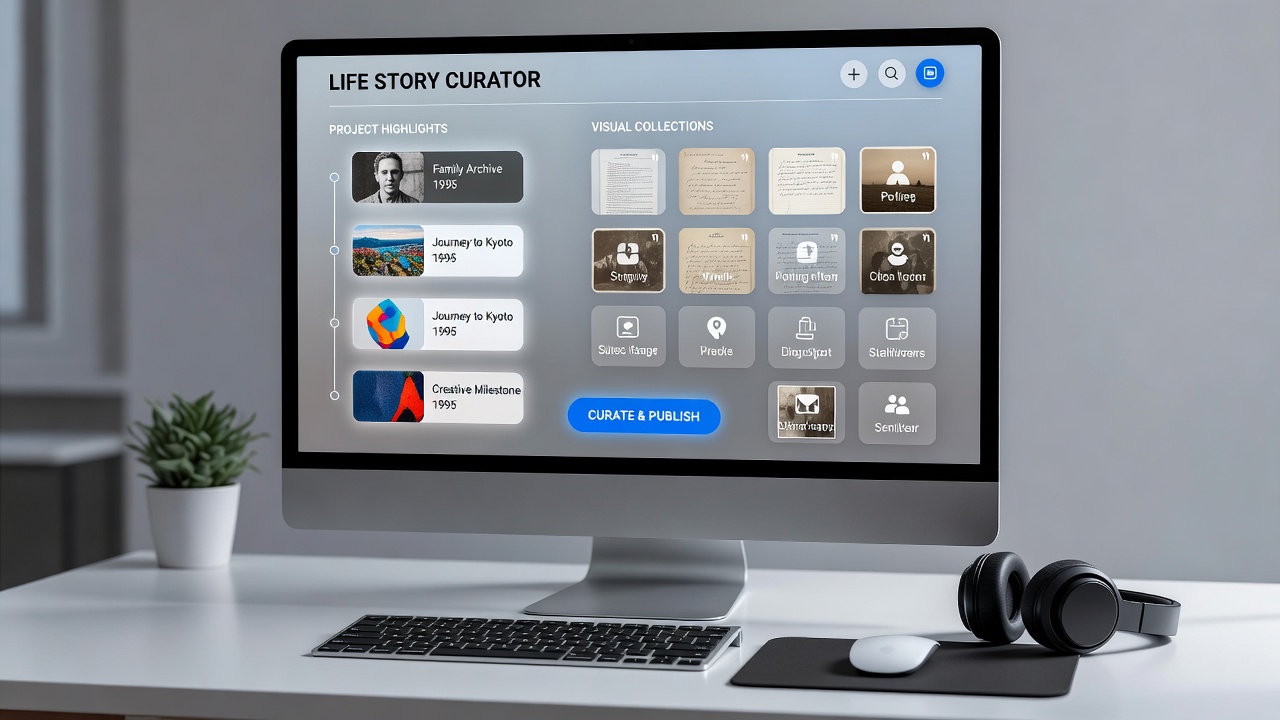
Project highlights function as chronological or thematic markers that break extended life stories into discrete segments, and observers note that these markers often include timelines, milestone descriptions, and linked artifacts. Studies from academic institutions show that users who apply project highlights create clearer narrative arcs because each segment connects specific events to supporting evidence such as documents or images, while platforms built on open-source frameworks allow direct editing of HTML and CSS to refine these connections without intermediary approval processes.
Role of Visual Collections in Narrative Construction
Visual collections complement project highlights by supplying photographic, video, and illustrative materials that add sensory detail to textual accounts, and evidence from multiple case analyses demonstrates that sequenced image galleries increase viewer engagement metrics compared to text-only formats. Those who maintain standalone sites frequently employ responsive design techniques so collections adapt across devices, and data indicates that metadata embedded in image files helps preserve context even when platforms undergo updates or migrations years later.
Technical Approaches to Building Standalone Platforms
Developers select static site generators or content management systems optimized for single-purpose sites, and these choices allow creators to avoid recurring subscription fees associated with commercial hosting while retaining full ownership of source files. Integration of lightweight databases supports searchable collections, and practitioners report that version control systems track revisions to both text and media assets over extended periods. Security protocols such as HTTPS enforcement and regular backups form standard practice because standalone environments lack the automated protections built into larger platforms.
Examples from Institutional and Personal Archives
One documented instance involves former educators who assembled career retrospectives by grouping classroom projects into visual timelines, and similar patterns appear in community history projects where residents compile neighborhood changes through dated photographs. According to figures released by the National Archives of Australia, digital submissions to national collections have risen steadily as individuals adopt standalone methods to prepare materials for potential long-term deposit. Another report compiled by Canadian Heritage researchers highlights how regional museums encourage contributors to format submissions using consistent highlight structures that align with institutional cataloging standards.
Standards and Accessibility Considerations
Web accessibility guidelines from the World Wide Web Consortium influence how curators label images and structure navigation menus, and compliance data shows that sites meeting these criteria reach broader audiences including users who rely on screen readers. Semantic HTML elements help search engines index project highlights accurately, which in turn supports discovery of individual stories without reliance on algorithmic promotion. Observers have recorded that platforms incorporating alt text and caption fields maintain higher retention rates among visitors exploring visual collections.
Developments Anticipated by August 2026
Industry projections suggest that new browser APIs for handling embedded media metadata will become widely available by August 2026, and these tools are expected to simplify the process of linking project highlights directly to external verification sources. Academic conferences scheduled for that period will likely feature sessions on integrating artificial intelligence for automated tagging of visual collections, while maintaining user oversight of final curation decisions. Government agencies in multiple regions continue to update digital preservation grants that support individuals building standalone platforms for family or community records.
Conclusion
Curating life stories on standalone web platforms through project highlights and visual collections creates durable, self-managed digital archives that operate outside commercial ecosystems, and ongoing technical refinements continue to expand options for creators. Data from preservation organizations demonstrates measurable growth in these practices, while standards bodies provide frameworks that support both accessibility and longevity. Those who adopt these methods gain direct authority over how personal narratives are presented and preserved across changing technological landscapes.